

Original: Geoffrey Huntley · 04/06/2025
Summary
Something I’ve been wondering about for a really long time is, essentially, why do people say AI doesn’t work for them? Something I’ve been wondering about for a really long time is, essentially, why do people say AI doesn’t work for them? What do they mean when they say that?Key Insights
“Something I’ve been wondering about for a really long time is, essentially, why do people say AI doesn’t work for them?” — Introduction to the discussion on the effectiveness of AI for different users.
“there are companies out there with ancient code bases, and they’ve extensive proprietary patterns that AI simply doesn’t have the training data for.” — Highlighting the limitations of AI in certain professional environments.
“In the circles around me, the people who are getting the most out of AI have put in deliberate, intentional practice.” — Emphasizing the importance of practice and experimentation in mastering AI.
Topics
Full Article
Published: 2025-06-04
Source: https://ghuntley.com/play/
Something I’ve been wondering about for a really long time is, essentially, why do people say AI doesn’t work for them? What do they mean when they say that?
From which identity are they coming from? Are they coming from the perspective of an engineer with a job title and sharing their experiences in a particular company, in that particular codebase? Or are they coming from the perspective that they’ve tried at home and it hasn’t worked for them there?Now, this distinction is crucial because there are companies out there with ancient code bases, and they’ve extensive proprietary patterns that AI simply doesn’t have the training data for. That experience is entirely understandable. However, I do worry about engineers whose only experience with AI is using it in a large, proprietary codebase. Have they tried AI at home? Are they putting in deliberate, intentional practice? Have they discovered the beauty of AI? You see, there is a beauty in AI. And the way I like to describe it these days, they are kind of like a musical instrument.
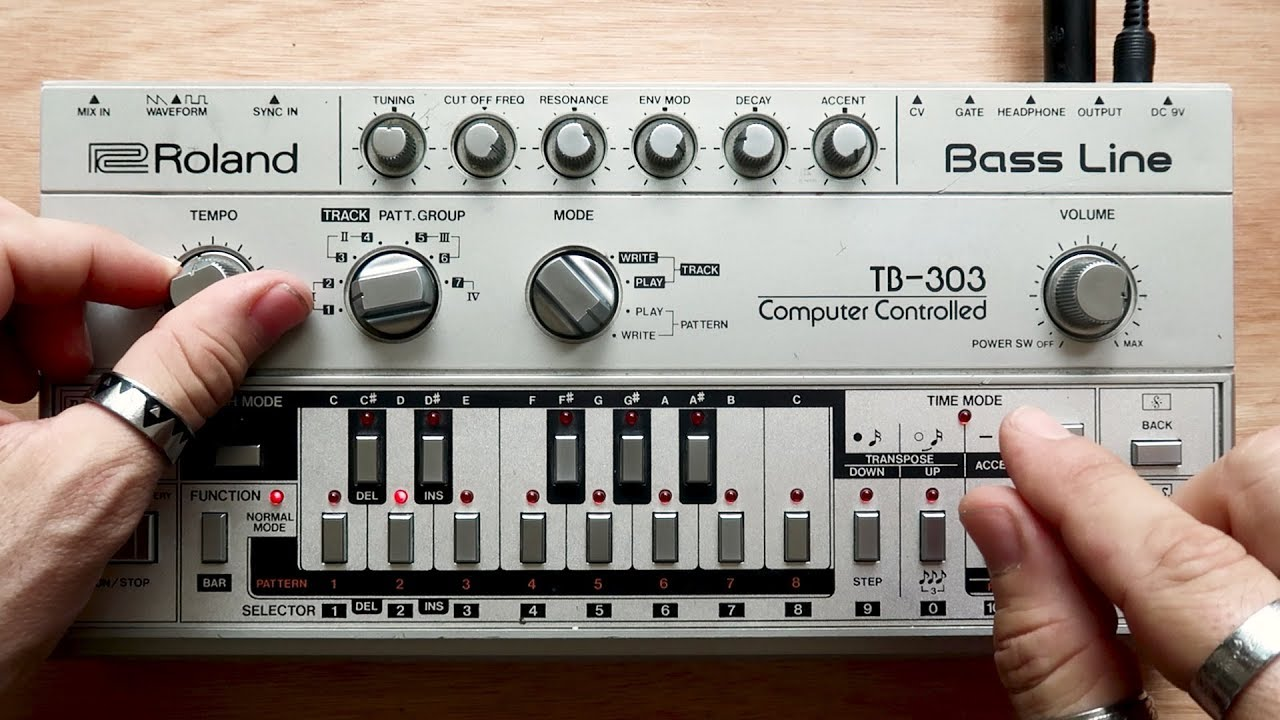 the tb303 was a commercial failure upon launch but many years later someone started playing: twisting knobs in strange and wonderful ways that resulted in new genres of music being created.
Let’s take a guitar as an example. Everyone knows what a guitar is, and everyone knows that if you put deliberate, intentional practice into it, you can become good at the guitar. Still, it takes time, effort and experimentation.
In the circles around me, the people who are getting the most out of AI have put in deliberate, intentional practice. They don’t just pick up a guitar, experience failure, and then go, “Well, it got the answer wildly wrong,” and then move on and assume that that will be their repeated experience.
the tb303 was a commercial failure upon launch but many years later someone started playing: twisting knobs in strange and wonderful ways that resulted in new genres of music being created.
Let’s take a guitar as an example. Everyone knows what a guitar is, and everyone knows that if you put deliberate, intentional practice into it, you can become good at the guitar. Still, it takes time, effort and experimentation.
In the circles around me, the people who are getting the most out of AI have put in deliberate, intentional practice. They don’t just pick up a guitar, experience failure, and then go, “Well, it got the answer wildly wrong,” and then move on and assume that that will be their repeated experience.
What they do is they play
Key Takeaways
Notable Quotes
Something I’ve been wondering about for a really long time is, essentially, why do people say AI doesn’t work for them?Context: Introduction to the discussion on the effectiveness of AI for different users.
there are companies out there with ancient code bases, and they’ve extensive proprietary patterns that AI simply doesn’t have the training data for.Context: Highlighting the limitations of AI in certain professional environments.
In the circles around me, the people who are getting the most out of AI have put in deliberate, intentional practice.Context: Emphasizing the importance of practice and experimentation in mastering AI.
Related Topics
- [[topics/openai-api]]
- [[topics/ai-agents]]
- [[topics/prompt-engineering]]
Related Articles
teleporting into the future and robbing yourself of retirement projects
Geoffrey Huntley · explanation · 79% similar
this should not be possible
Geoffrey Huntley · explanation · 77% similar
We gotta talk about AI as a programming tool for the arts
Simon Willison · explanation · 76% similar
Originally published at https://ghuntley.com/play/.