

Original: Geoffrey Huntley · 17/01/2026
Summary
Standard software practices is to build it vertically brick by brick - like Jenga but these days I approach everything as a loop. I’ve been thinking about how I build software is so very very different how I used to do it three years ago.Key Insights
“Standard software practices is to build it vertically brick by brick - like Jenga but these days I approach everything as a loop.” — Huntley explains his shift from traditional to loop-based software development.
“Ralph is an orchestrator pattern where you allocate the array with the required backing specifications and then give it a goal then looping the goal.” — Describing the conceptual foundation of the ‘Ralph’ development methodology.
“Software can now be developed cheaper than the wage of a burger flipper at maccas and it can be built autonomously whilst you are AFK.” — Highlighting the cost-effectiveness and autonomy of modern software development practices.
Topics
Full Article
Published: 2026-01-17
Source: https://ghuntley.com/loop/
I’ve been thinking about how I build software is so very very different how I used to do it three years ago. No, I’m not talking about acceleration through usage of AI but instead at a more fundamental level of approach, techniques and best practices. Standard software practices is to build it vertically brick by brick - like Jenga but these days I approach everything as a loop. You see ralph isn’t just about forwards (building autonomously) or reverse mode (clean rooming) it’s also a mind set that these computers can be indeed programmed.
While I was in SFO, everyone seemed to be trying to crack on multi-agent, agent-to-agent communication and multiplexing. At this stage, it’s not needed. Consider microservices and all the complexities that come with them. Now, consider what microservices would look like if the microservices (agents) themselves are non-deterministic—a red hot mess. What’s the opposite of microservices? A monolithic application. A single operating system process that scales vertically. Ralph is monolithic. Ralph works autonomously in a single repository as a single process that performs one task per loop.Software is now clay on the pottery wheel and if something isn’t right then i just throw it back on the wheel to address items that need resolving. Ralph is an orchestrator pattern where you allocate the array with the required backing specifications and then give it a goal then looping the goal. It’s important to watch the loop as that is where your personal development and learning will come from. When you see a failure domain – put on your engineering hat and resolve the problem so it never happens again. In practice this means doing the loop manually via prompting or via automation with a pause that involves having to prcss CTRL+C to progress onto the next task. This is still ralphing as ralph is about getting the most out how the underlying models work through context engineering and that pattern is GENERIC and can be used for ALL TASKS. In other news I’ve been cooking on something called “The Weaving Loom”. The source code of loom can now be found on my GitHub; do not use it if your name is not Geoffrey Huntley. Loom is something that has been in my head for the last three years (and various prototypes were developed last year!) and it is essentially infrastructure for evolutionary software. Gas town focuses on spinning plates and orchestration - a full level 8.
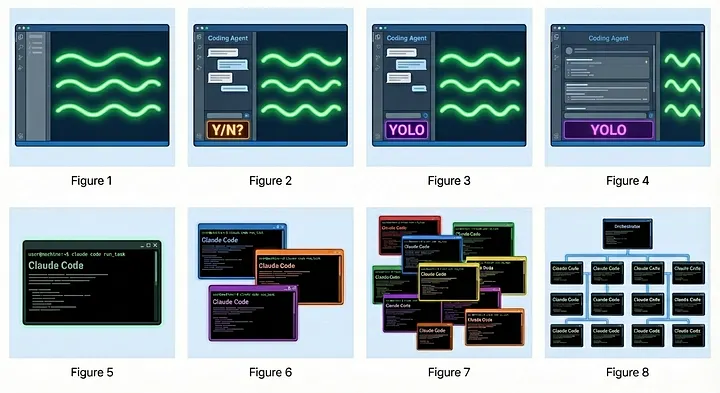 see https://steve-yegge.medium.com/welcome-to-gas-town-4f25ee16dd04
I’m going for a level 9 where autonomous loops evolve products and optimise automatically for revenue generation. Evolutionary software - also known as a software factory.
see https://steve-yegge.medium.com/welcome-to-gas-town-4f25ee16dd04
I’m going for a level 9 where autonomous loops evolve products and optimise automatically for revenue generation. Evolutionary software - also known as a software factory.
 This is a divide now - we have software engineers outwardly rejecting AI or merely consuming via Claude Code/Cursor to accelerate the lego brick building process…
but software development is dead - I killed it. Software can now be developed cheaper than the wage of a burger flipper at maccas and it can be built autonomously whilst you are AFK.
This is a divide now - we have software engineers outwardly rejecting AI or merely consuming via Claude Code/Cursor to accelerate the lego brick building process…
but software development is dead - I killed it. Software can now be developed cheaper than the wage of a burger flipper at maccas and it can be built autonomously whilst you are AFK.
how to build a coding agent: free workshop It’s not that hard to build a coding agent. 300 lines of code running in a loop with LLM tokens. You just keep throwing tokens at the loop, and then you’ve got yourself an agent. — Geoffrey Huntley
ps. think this is out there?
It is but watch it happen live. We are here right now, it’s possible and i’m systemising it. Here in the tweet below I am putting loom under the mother of all ralph loops to automatically perform system verification. Instead of days of planning, discussions and weeks of verification I’m programming this new computer and doing it afk whilst I DJ so that I don’t have to hire humans.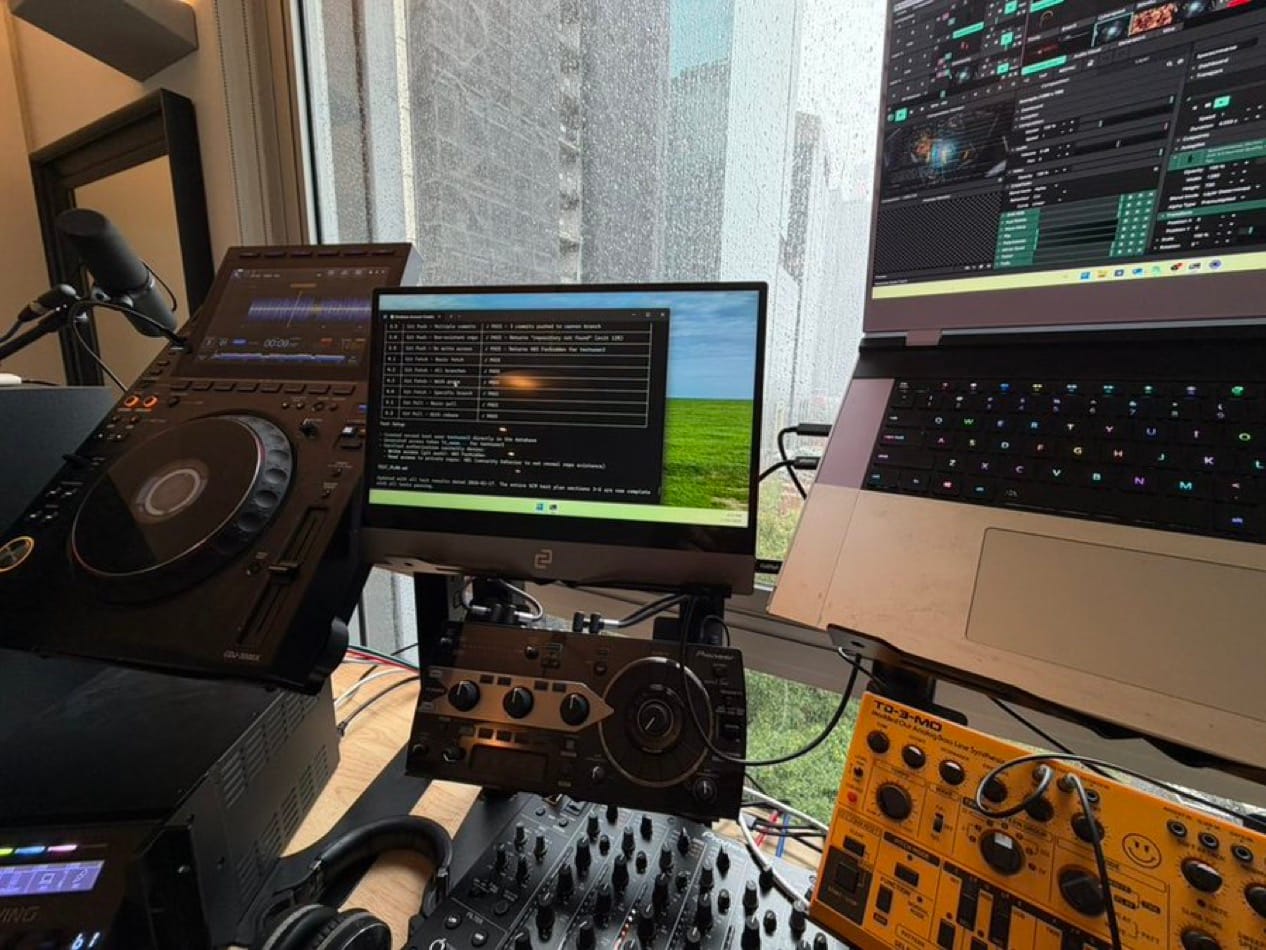 Any faults identified can be resolved through forward ralph loops to rectify issues. Over the last year the models have became quite good and it’s only now that I’m able to realise this full vision but I’ll leave you with this dear reader…
What if the models don’t stop getting good?
How well will your fair if you are still building jenga stacks when there are classes of principal software engineers out there to prove a point that we are here right now and please pay attention.
Any faults identified can be resolved through forward ralph loops to rectify issues. Over the last year the models have became quite good and it’s only now that I’m able to realise this full vision but I’ll leave you with this dear reader…
What if the models don’t stop getting good?
How well will your fair if you are still building jenga stacks when there are classes of principal software engineers out there to prove a point that we are here right now and please pay attention.
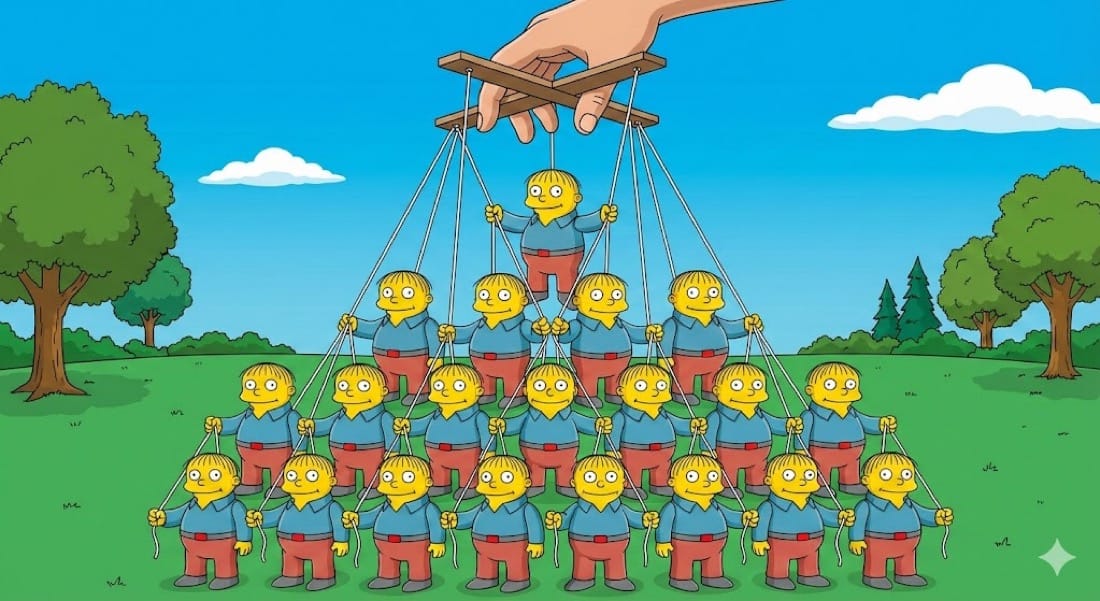 Go build your agent, go learn how to program the new computer (guidance forthcoming in future posts), fall in love with all the possibilities and then join me in this space race of building automated software factories.
something incredible just happened here perhaps first evolutionary software auto heal. i was running the system under a ralph system loop test. it identified a problem with a feature. then it studied the codebase, fixed it, deployed it automatically, verified that it worked and… https://t.co/ATDaIU4p5w pic.twitter.com/22U7FW6Dye — geoff (@GeoffreyHuntley) January 17, 2026ps. socials
🗞️ everything is a ralph loop (link below) I’ve been thinking about how I build software is so very very different how I used to do it three years ago. No, I’m not talking about acceleration through usage of AI but instead at a more fundamental level of approach, techniques… pic.twitter.com/IBpO4HJ4AK — geoff (@GeoffreyHuntley) January 17, 2026
Key Takeaways
Notable Quotes
Standard software practices is to build it vertically brick by brick - like Jenga but these days I approach everything as a loop.Context: Huntley explains his shift from traditional to loop-based software development.
Ralph is an orchestrator pattern where you allocate the array with the required backing specifications and then give it a goal then looping the goal.Context: Describing the conceptual foundation of the ‘Ralph’ development methodology.
Software can now be developed cheaper than the wage of a burger flipper at maccas and it can be built autonomously whilst you are AFK.Context: Highlighting the cost-effectiveness and autonomy of modern software development practices.
Related Topics
- [[topics/agent-native-architecture]]
- [[topics/evolutionary-software]]
- [[topics/prompt-engineering]]
Related Articles
I dream of roombas - thousands of automated AI robots that autonomously maintain codebases
Geoffrey Huntley · explanation · 80% similar
teleporting into the future and robbing yourself of retirement projects
Geoffrey Huntley · explanation · 78% similar
a sneak preview behind an embedded software factory. I suspect rapid application dev is back
Ghuntley · explanation · 75% similar
Originally published at https://ghuntley.com/loop/.